Scar Revision Surgery in Peshawar
Scar revision surgery improves the cosmetic appearance and functional flexibility of scars caused by prior surgeries, trauma, burns, or poor initial healing.
Clinical Consultation
Individual Assessment at Pak Medical Center Peshawar
Quick Clinical Overview
What Is Scar Revision Surgery?
Scar revision surgery improves the cosmetic appearance and functional flexibility of scars caused by prior surgeries, trauma, burns, or poor initial healing.
Patients consider scar revision surgery for different reasons, ranging from natural aesthetic refinement to functional reconstruction following illness, injury, or anatomical variations.
Every treatment has distinct technical considerations, surgical nuances, risks, and recovery stages. The optimal technique depends on careful examination of tissue elasticity, anatomical framework, and personal treatment goals.
A comprehensive in-person consultation with Dr. Waris Khan at Pak Medical Center in Peshawar ensures that your medical history is evaluated and that realistic clinical outcomes are clearly established.
What Concerns Can Scar Revision Surgery Address?
Scar Revision Surgery can address a broad spectrum of structural, functional, and cosmetic concerns.
Hypertrophic Scars
Thick, raised, red scars that remain within the boundary of the original wound.
Keloid Scars
Overgrown, itchy scar tissue that extends beyond original incision boundaries.
Scar Contractures
Tight, constricted scar tissue that restricts joint motion or pulls facial features.
Depressed or Indented Scars
Atrophic scars tethered to deeper tissues creating shadow indentations.
Wide, Stretched Scars
Scars that spread apart due to wound tension during initial healing.
Techniques and Procedural Approaches
Scar Revision Surgery can involve different surgical methods based on individual patient anatomy and clinical objectives.
Surgical Excision and Re-closure
Carefully removing old scar tissue and re-aligning wound margins in tension-free anatomical layers.
Z-Plasty and W-Plasty
Geometric re-orientation of scars to break up straight lines and release tissue tension.
Subcision and Fat Grafting
Releasing tethered deep adhesions and injecting micro-fat to elevate indented scars.
Multimodality Therapy
Combining surgical revision with silicone therapy, pressure garments, or corticosteroid injections.
Clinical Disclaimer:
These descriptions explain general surgical approaches. Dr. Waris Khan tailors every treatment plan based on confirmed in-person clinical assessment.
Who May Be a Suitable Candidate?
Suitability for scar revision surgery depends on health status, anatomical framework, tissue elasticity, and realistic goals.
Candidate Evaluation Checklist
Unsure if you qualify? A 1-on-1 consultation will evaluate your options.
Check Candidacy on WhatsAppHow Is the Procedure Performed?
The surgical protocol is tailored to the agreed clinical plan and surgical goals.
Step 1: Clinical Assessment and Surgical Planning
The doctor assesses anatomical landmarks, verifies surgical goals, and reviews health parameters.
Step 2: Anesthesia Administration
The procedure is performed under an appropriate local, regional, or general anesthesia plan chosen for maximum safety and comfort.
Step 3: Surgical Intervention & Tissue Reshaping
The surgeon precisely adjusts, contours, removes, or repositions target tissues in accordance with the planned technique.
Step 4: Meticulous Layered Closure
Incisions are closed with precision plastic sutures to minimize tension, followed by protective dressings or supportive garments.
Step 5: Post-Operative Monitoring & Recovery Plan
The patient is monitored in recovery and provided with detailed medication and activity instructions.
Recovery and Healing Milestones
Healing timelines vary according to individual biology. Following post-operative guidelines ensures the smoothest path to optimal results.
Days 1 to 3: Early Rest
Rest with elevation if advised. Take prescribed medications on time and apply cold compresses if indicated.
Days 7 to 14: Returning to Light Routine
Sutures or splints are typically removed. Most patients feel ready to resume light office work and social outings.
Weeks 4 to 6: Tissue Stabilization
Bruising has completely faded. Moderate exercise and physical fitness routines can be safely resumed.
Months 3 to 12: Final Refinement
Subtle residual swelling resolves completely, allowing the final refined contour and scar maturation to settle.
Safety Considerations and Potential Risks
Every surgical procedure carries risks. Dr. Waris Khan maintains rigorous clinical safety standards to minimize complications.
What Results Can You Expect?
Scar Revision Surgery can produce substantial improvements in physical comfort, symmetry, and aesthetic proportion.
However, outcomes depend on individual anatomy, tissue response, and healing characteristics.
Realistic expectations should be established during your initial clinical consultation before deciding on surgery.
How Much Does Scar Revision Surgery Cost in Peshawar?
Treatment costs depend on procedure complexity, surgical techniques, facility requirements, and personalized patient care.
A formal clinical assessment is required before an accurate, comprehensive fee estimate can be provided.
Contact Dr. Waris Khan clinic in Peshawar to inquire about current consultation fees and appointment availability.
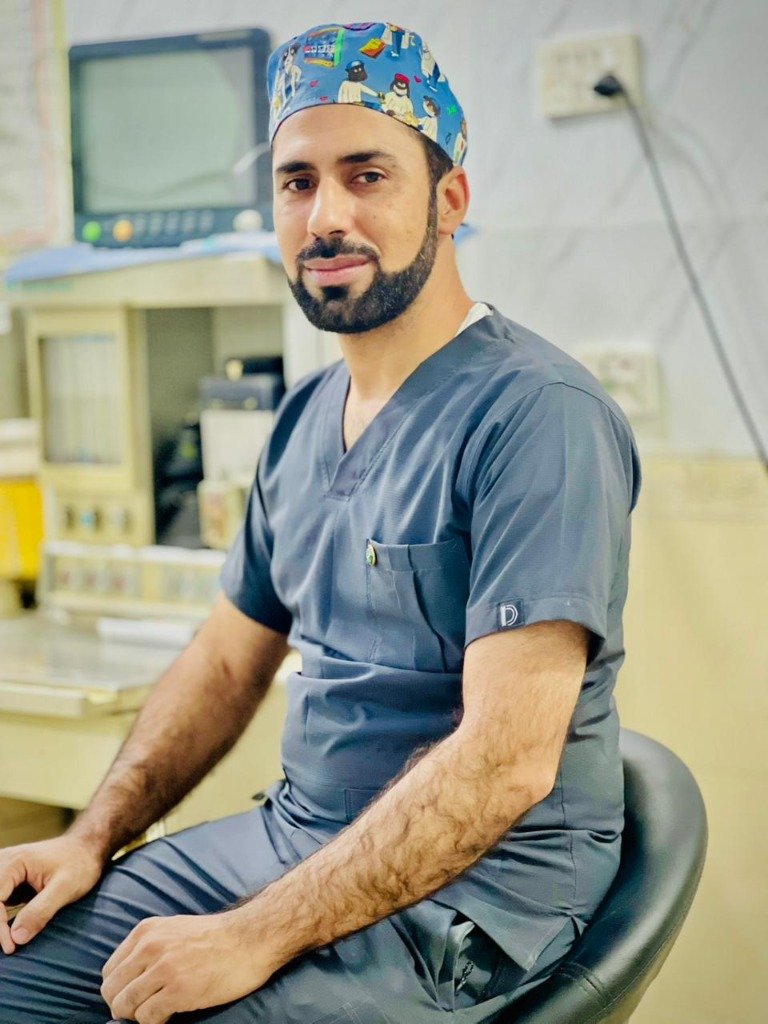
Dr. Waris Khan
MBBS, MCPS, FCPS Plastic Surgery · Plastic, Reconstructive & Aesthetic Surgeon
Dr. Waris Khan provides patient-focused consultations at Pak Medical Center and Hospital in Peshawar. Every surgical plan is developed collaboratively to ensure anatomical safety and natural outcomes.
Frequently Asked Questions About Scar Revision Surgery
Find answers to common patient questions about this procedure.
Can a scar be completely removed?
No scar can be erased entirely, but revision can make it significantly narrower, flatter, and less noticeable.
When is the best time to revise a scar?
Most scars should mature for 6 to 12 months before surgical revision, allowing initial redness and remodeling to complete.
How is a keloid treated differently from a normal scar?
Keloids require a careful combination of surgical excision with targeted steroid injections to reduce recurrence.
Is scar revision performed under local anesthesia?
Most localized scars are revised comfortably under local anesthesia in an outpatient setting.
What aftercare helps prevent scar thickening?
Sun protection, silicone sheeting, and gentle massage support optimal scar maturation.
Explore Related Procedures
Complementary surgical and aesthetic treatments to consider.
Laser Skin Resurfacing
Refines surface texture for subtle or widespread scars.
Acne Scar Treatment
Specialized techniques for atrophic facial acne indentations.
Considering Scar Revision Surgery in Peshawar?
If you have questions about scar revision surgery, contact Dr. Waris Khan clinic in Peshawar.
Request a consultation to discuss your treatment goals, understand options, and plan your care.
The clinic will confirm your available appointment schedule.