Hair Transplant Surgery (FUE / FUT) in Peshawar
A hair transplant relocates genetically resistant hair follicles from the donor area (back of the head) to thinning or balding areas for permanent, natural hair restoration.
Clinical Consultation
Individual Assessment at Pak Medical Center Peshawar
Quick Clinical Overview
What Is Hair Transplant Surgery (FUE / FUT)?
A hair transplant relocates genetically resistant hair follicles from the donor area (back of the head) to thinning or balding areas for permanent, natural hair restoration.
Patients consider hair transplant surgery (fue / fut) for different reasons, ranging from natural aesthetic refinement to functional reconstruction following illness, injury, or anatomical variations.
Every treatment has distinct technical considerations, surgical nuances, risks, and recovery stages. The optimal technique depends on careful examination of tissue elasticity, anatomical framework, and personal treatment goals.
A comprehensive in-person consultation with Dr. Waris Khan at Pak Medical Center in Peshawar ensures that your medical history is evaluated and that realistic clinical outcomes are clearly established.
What Concerns Can Hair Transplant Surgery (FUE / FUT) Address?
Hair Transplant Surgery (FUE / FUT) can address a broad spectrum of structural, functional, and cosmetic concerns.
Male Pattern Baldness (Androgenetic Alopecia)
Receding hair lines, thinning crowns, and temple hair loss.
Female Hair Thinning
Diffuse widening of the central hair part.
High or Receding Hairline
Desire to reconstruct a natural, youthful anterior hairline.
Scarring Alopecia
Hair loss resulting from burns, trauma, or previous surgical incisions on the scalp.
Beard or Eyebrow Thinning
Patchy facial hair or sparse eyebrow density requiring restoration.
Techniques and Procedural Approaches
Hair Transplant Surgery (FUE / FUT) can involve different surgical methods based on individual patient anatomy and clinical objectives.
Follicular Unit Extraction (FUE)
Individual hair follicle units extracted with micro-punches, leaving tiny dot scars that heal invisibly.
Follicular Unit Transplantation (FUT)
A thin strip of scalp is harvested and dissected under microscopes for maximum graft yield.
Natural Hairline Design
Meticulously angling single-hair grafts along the frontal boundary to mimic natural growth patterns.
Dense Packing Micro-Slit Implantation
Placing follicular units closely together to recreate high aesthetic density.
Clinical Disclaimer:
These descriptions explain general surgical approaches. Dr. Waris Khan tailors every treatment plan based on confirmed in-person clinical assessment.
Who May Be a Suitable Candidate?
Suitability for hair transplant surgery (fue / fut) depends on health status, anatomical framework, tissue elasticity, and realistic goals.
Candidate Evaluation Checklist
Unsure if you qualify? A 1-on-1 consultation will evaluate your options.
Check Candidacy on WhatsAppHow Is the Procedure Performed?
The surgical protocol is tailored to the agreed clinical plan and surgical goals.
Step 1: Clinical Assessment and Surgical Planning
The doctor assesses anatomical landmarks, verifies surgical goals, and reviews health parameters.
Step 2: Anesthesia Administration
The procedure is performed under an appropriate local, regional, or general anesthesia plan chosen for maximum safety and comfort.
Step 3: Surgical Intervention & Tissue Reshaping
The surgeon precisely adjusts, contours, removes, or repositions target tissues in accordance with the planned technique.
Step 4: Meticulous Layered Closure
Incisions are closed with precision plastic sutures to minimize tension, followed by protective dressings or supportive garments.
Step 5: Post-Operative Monitoring & Recovery Plan
The patient is monitored in recovery and provided with detailed medication and activity instructions.
Recovery and Healing Milestones
Healing timelines vary according to individual biology. Following post-operative guidelines ensures the smoothest path to optimal results.
Days 1 to 3: Early Rest
Rest with elevation if advised. Take prescribed medications on time and apply cold compresses if indicated.
Days 7 to 14: Returning to Light Routine
Sutures or splints are typically removed. Most patients feel ready to resume light office work and social outings.
Weeks 4 to 6: Tissue Stabilization
Bruising has completely faded. Moderate exercise and physical fitness routines can be safely resumed.
Months 3 to 12: Final Refinement
Subtle residual swelling resolves completely, allowing the final refined contour and scar maturation to settle.
Safety Considerations and Potential Risks
Every surgical procedure carries risks. Dr. Waris Khan maintains rigorous clinical safety standards to minimize complications.
What Results Can You Expect?
Hair Transplant Surgery (FUE / FUT) can produce substantial improvements in physical comfort, symmetry, and aesthetic proportion.
However, outcomes depend on individual anatomy, tissue response, and healing characteristics.
Realistic expectations should be established during your initial clinical consultation before deciding on surgery.
How Much Does Hair Transplant Surgery (FUE / FUT) Cost in Peshawar?
Treatment costs depend on procedure complexity, surgical techniques, facility requirements, and personalized patient care.
A formal clinical assessment is required before an accurate, comprehensive fee estimate can be provided.
Contact Dr. Waris Khan clinic in Peshawar to inquire about current consultation fees and appointment availability.
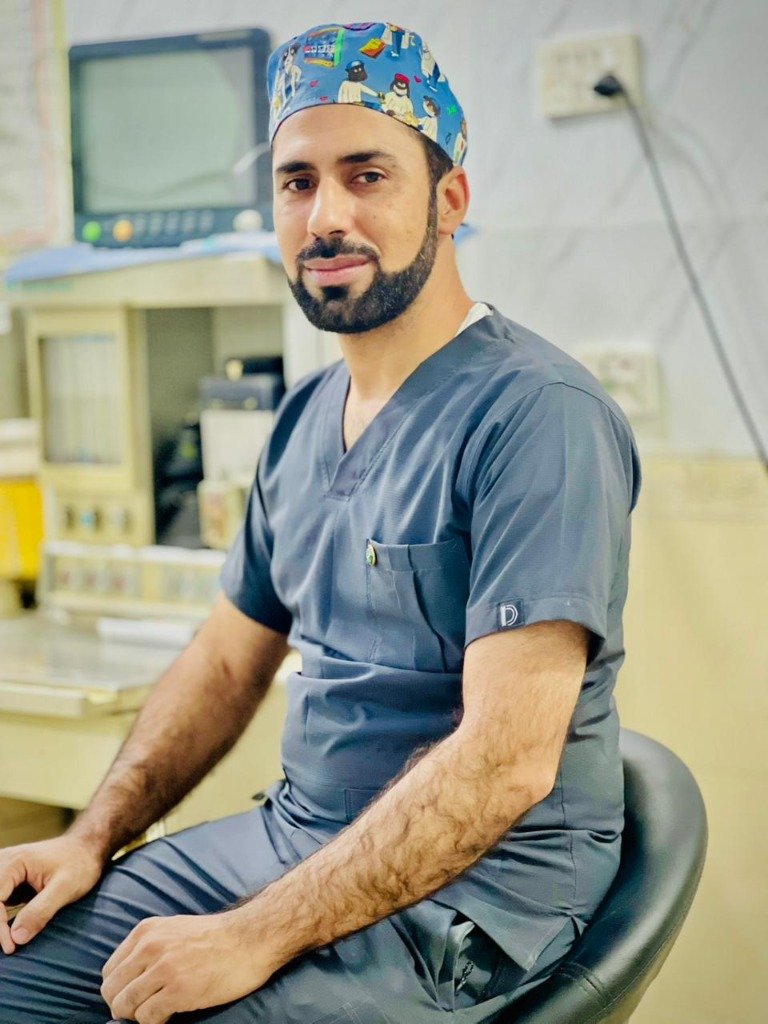
Dr. Waris Khan
MBBS, MCPS, FCPS Plastic Surgery · Plastic, Reconstructive & Aesthetic Surgeon
Dr. Waris Khan provides patient-focused consultations at Pak Medical Center and Hospital in Peshawar. Every surgical plan is developed collaboratively to ensure anatomical safety and natural outcomes.
Frequently Asked Questions About Hair Transplant Surgery (FUE / FUT)
Find answers to common patient questions about this procedure.
How does a hair transplant work?
Permanent hair follicles from the donor zone are transplanted into thinning areas where they continue growing for life.
Are transplanted hair results permanent?
Yes. Donor follicles are genetically resistant to DHT hormones and retain their permanent growth characteristics.
When will the transplanted hair start growing?
Transplanted hairs shed initially, with new permanent hair emerging around month 3 and full density visible at 9 to 12 months.
Is hair transplant surgery painful?
Local anesthesia is administered throughout the scalp, ensuring the patient remains comfortable during the procedure.
How many grafts will I need?
Graft requirements depend on your degree of hair loss, donor density, and aesthetic goals discussed during consultation.
Explore Related Procedures
Complementary surgical and aesthetic treatments to consider.
Facial Reconstruction
Rebuilding soft tissue and scalp continuity.
Scar Revision
Transplanting hair into post-traumatic scalp scars.
Considering Hair Transplant Surgery (FUE / FUT) in Peshawar?
If you have questions about hair transplant surgery (fue / fut), contact Dr. Waris Khan clinic in Peshawar.
Request a consultation to discuss your treatment goals, understand options, and plan your care.
The clinic will confirm your available appointment schedule.