Facelift Surgery (Rhytidectomy) in Peshawar
A facelift (rhytidectomy) is a surgical procedure designed to elevate and tighten deeper facial muscles and reposition sagging skin along the cheeks, jawline, and neck to restore youthful, defined contours.
Clinical Consultation
Individual Assessment at Pak Medical Center Peshawar
Quick Clinical Overview
What Is Facelift Surgery (Rhytidectomy)?
A facelift (rhytidectomy) is a surgical procedure designed to elevate and tighten deeper facial muscles and reposition sagging skin along the cheeks, jawline, and neck to restore youthful, defined contours.
Patients consider facelift surgery (rhytidectomy) for different reasons, ranging from natural aesthetic refinement to functional reconstruction following illness, injury, or anatomical variations.
Every treatment has distinct technical considerations, surgical nuances, risks, and recovery stages. The optimal technique depends on careful examination of tissue elasticity, anatomical framework, and personal treatment goals.
A comprehensive in-person consultation with Dr. Waris Khan at Pak Medical Center in Peshawar ensures that your medical history is evaluated and that realistic clinical outcomes are clearly established.
What Concerns Can Facelift Surgery (Rhytidectomy) Address?
Facelift Surgery (Rhytidectomy) can address a broad spectrum of structural, functional, and cosmetic concerns.
Sagging Jowls
Loss of jawline definition caused by drooping lower facial tissues and skin.
Deep Nasolabial Folds
Pronounced creases running from the sides of the nose down to the corners of the mouth.
Midface Volume Descent
Descent of cheek fat pads that leads to a hollowed, tired midface contour.
Loose Neck Skin and Bands
Skin laxity and vertical platysma muscle bands under the chin and along the anterior neck.
Marionette Creases
Vertical creases that extend downward from the mouth corners toward the chin.
Loss of Mandibular Definition
Softening of youthful angles along the cheekbones and mandibular border.
Techniques and Procedural Approaches
Facelift Surgery (Rhytidectomy) can involve different surgical methods based on individual patient anatomy and clinical objectives.
SMAS Facelift
Tightens the deeper muscular aponeurotic system for natural, long-lasting elevation without surface skin tension.
Deep Plane Facelift
Mobilizes deeper facial fat pads and muscles as a continuous layer to naturally restore midface volume.
Mini Facelift
A limited-incision procedure focused primarily on early lower face and jawline laxity.
Neck Lift Combination
Addressing the platysma muscle and submental fat in tandem for complete lower facial and neck refinement.
Clinical Disclaimer:
These descriptions explain general surgical approaches. Dr. Waris Khan tailors every treatment plan based on confirmed in-person clinical assessment.
Who May Be a Suitable Candidate?
Suitability for facelift surgery (rhytidectomy) depends on health status, anatomical framework, tissue elasticity, and realistic goals.
Candidate Evaluation Checklist
Unsure if you qualify? A 1-on-1 consultation will evaluate your options.
Check Candidacy on WhatsAppHow Is the Procedure Performed?
The surgical protocol is tailored to the agreed clinical plan and surgical goals.
Step 1: Clinical Assessment and Surgical Planning
The doctor assesses anatomical landmarks, verifies surgical goals, and reviews health parameters.
Step 2: Anesthesia Administration
The procedure is performed under an appropriate local, regional, or general anesthesia plan chosen for maximum safety and comfort.
Step 3: Surgical Intervention & Tissue Reshaping
The surgeon precisely adjusts, contours, removes, or repositions target tissues in accordance with the planned technique.
Step 4: Meticulous Layered Closure
Incisions are closed with precision plastic sutures to minimize tension, followed by protective dressings or supportive garments.
Step 5: Post-Operative Monitoring & Recovery Plan
The patient is monitored in recovery and provided with detailed medication and activity instructions.
Recovery and Healing Milestones
Healing timelines vary according to individual biology. Following post-operative guidelines ensures the smoothest path to optimal results.
Days 1 to 3: Early Rest
Rest with elevation if advised. Take prescribed medications on time and apply cold compresses if indicated.
Days 7 to 14: Returning to Light Routine
Sutures or splints are typically removed. Most patients feel ready to resume light office work and social outings.
Weeks 4 to 6: Tissue Stabilization
Bruising has completely faded. Moderate exercise and physical fitness routines can be safely resumed.
Months 3 to 12: Final Refinement
Subtle residual swelling resolves completely, allowing the final refined contour and scar maturation to settle.
Safety Considerations and Potential Risks
Every surgical procedure carries risks. Dr. Waris Khan maintains rigorous clinical safety standards to minimize complications.
What Results Can You Expect?
Facelift Surgery (Rhytidectomy) can produce substantial improvements in physical comfort, symmetry, and aesthetic proportion.
However, outcomes depend on individual anatomy, tissue response, and healing characteristics.
Realistic expectations should be established during your initial clinical consultation before deciding on surgery.
How Much Does Facelift Surgery (Rhytidectomy) Cost in Peshawar?
Treatment costs depend on procedure complexity, surgical techniques, facility requirements, and personalized patient care.
A formal clinical assessment is required before an accurate, comprehensive fee estimate can be provided.
Contact Dr. Waris Khan clinic in Peshawar to inquire about current consultation fees and appointment availability.
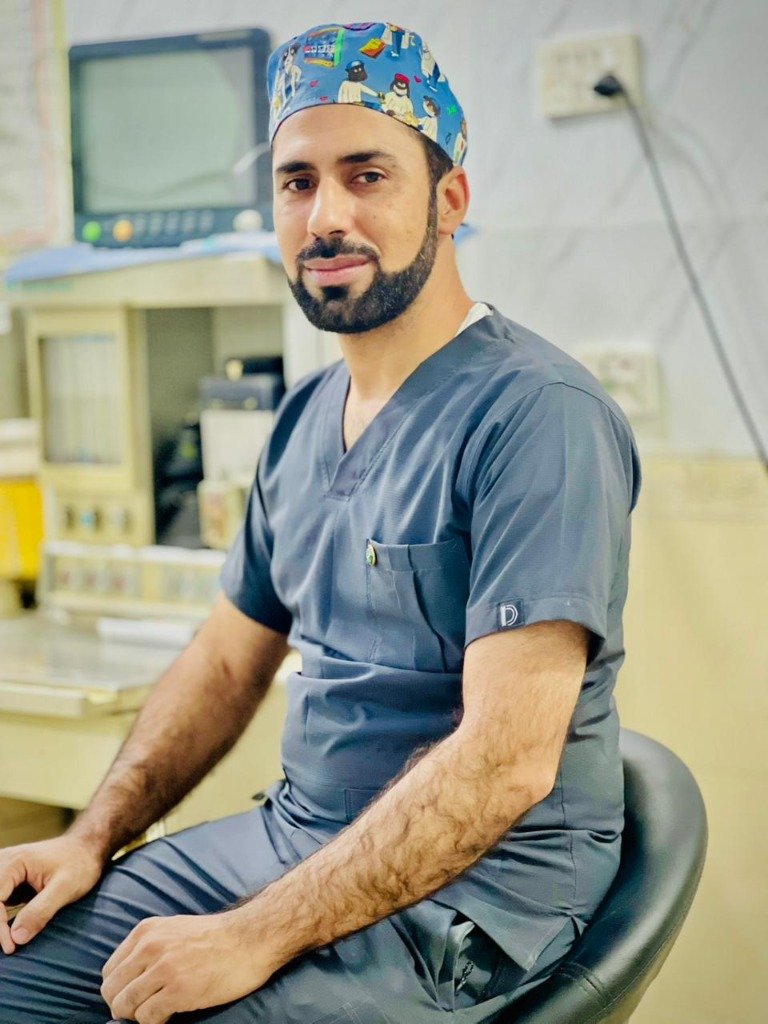
Dr. Waris Khan
MBBS, MCPS, FCPS Plastic Surgery · Plastic, Reconstructive & Aesthetic Surgeon
Dr. Waris Khan provides patient-focused consultations at Pak Medical Center and Hospital in Peshawar. Every surgical plan is developed collaboratively to ensure anatomical safety and natural outcomes.
Frequently Asked Questions About Facelift Surgery (Rhytidectomy)
Find answers to common patient questions about this procedure.
What does a facelift actually do?
A facelift repositions deeper facial tissues and removes excess sagging skin to restore natural facial definition and contour.
Will I look unnatural or tight after surgery?
Modern facelift techniques focus on lifting the underlying structural layers rather than pulling skin, creating natural and relaxed results.
How long do facelift results last?
While aging continues naturally, surgical improvements typically provide long-term enhancement that lasts for many years.
What is the typical recovery timeline?
Most patients feel comfortable appearing in public after 2 to 3 weeks as bruising and significant swelling subside.
Can non-surgical treatments replace a facelift?
Non-surgical treatments help with mild surface texture and subtle volume, but significant tissue laxity requires surgical repositioning.
Explore Related Procedures
Complementary surgical and aesthetic treatments to consider.
Blepharoplasty
Rejuvenates tired eyes to complement refreshed facial contours.
Brow Lift
Restores the upper forehead and eyebrow position.
Chin Surgery
Enhances lower facial profile balance alongside jawline lifting.
Considering Facelift Surgery (Rhytidectomy) in Peshawar?
If you have questions about facelift surgery (rhytidectomy), contact Dr. Waris Khan clinic in Peshawar.
Request a consultation to discuss your treatment goals, understand options, and plan your care.
The clinic will confirm your available appointment schedule.