Mole Removal and Biopsy in Peshawar
Mole removal involves the careful clinical assessment, dermatoscopic evaluation, and surgical excision of benign, suspicious, or bothersome skin moles.
Clinical Consultation
Individual Assessment at Pak Medical Center Peshawar
Quick Clinical Overview
What Is Mole Removal and Biopsy?
Mole removal involves the careful clinical assessment, dermatoscopic evaluation, and surgical excision of benign, suspicious, or bothersome skin moles.
Patients consider mole removal and biopsy for different reasons, ranging from natural aesthetic refinement to functional reconstruction following illness, injury, or anatomical variations.
Every treatment has distinct technical considerations, surgical nuances, risks, and recovery stages. The optimal technique depends on careful examination of tissue elasticity, anatomical framework, and personal treatment goals.
A comprehensive in-person consultation with Dr. Waris Khan at Pak Medical Center in Peshawar ensures that your medical history is evaluated and that realistic clinical outcomes are clearly established.
What Concerns Can Mole Removal and Biopsy Address?
Mole Removal and Biopsy can address a broad spectrum of structural, functional, and cosmetic concerns.
Atypical or Changing Moles
Moles displaying asymmetry, irregular borders, multiple colors, or evolving size (ABCDE criteria).
Raised or Protruding Moles
Elevated facial or body moles that catch on clothing, jewelry, or razors while shaving.
Aesthetic Facial Moles
Prominent facial moles that patients wish to remove for a smoother complexion.
Irritated or Bleeding Moles
Moles subjected to chronic friction, trauma, or itching.
Congenital Nevi
Birthmarks or pigmented moles present from infancy that require monitoring.
Techniques and Procedural Approaches
Mole Removal and Biopsy can involve different surgical methods based on individual patient anatomy and clinical objectives.
Surgical Shave Excision
Feathering off raised surface moles flush with the surrounding skin under local anesthesia with minimal scarring.
Full-Thickness Elliptical Excision
Removing the entire mole and deeper dermis, followed by precise multi-layer plastic surgery closure.
Dermoscopic Pre-Evaluation
High-magnification polarized light inspection to check pigment network architecture before removal.
Histopathology Biopsy
Submitting all excised specimens for comprehensive pathology review to rule out cellular dysplasia.
Clinical Disclaimer:
These descriptions explain general surgical approaches. Dr. Waris Khan tailors every treatment plan based on confirmed in-person clinical assessment.
Who May Be a Suitable Candidate?
Suitability for mole removal and biopsy depends on health status, anatomical framework, tissue elasticity, and realistic goals.
Candidate Evaluation Checklist
Unsure if you qualify? A 1-on-1 consultation will evaluate your options.
Check Candidacy on WhatsAppHow Is the Procedure Performed?
The surgical protocol is tailored to the agreed clinical plan and surgical goals.
Step 1: Clinical Assessment and Surgical Planning
The doctor assesses anatomical landmarks, verifies surgical goals, and reviews health parameters.
Step 2: Anesthesia Administration
The procedure is performed under an appropriate local, regional, or general anesthesia plan chosen for maximum safety and comfort.
Step 3: Surgical Intervention & Tissue Reshaping
The surgeon precisely adjusts, contours, removes, or repositions target tissues in accordance with the planned technique.
Step 4: Meticulous Layered Closure
Incisions are closed with precision plastic sutures to minimize tension, followed by protective dressings or supportive garments.
Step 5: Post-Operative Monitoring & Recovery Plan
The patient is monitored in recovery and provided with detailed medication and activity instructions.
Recovery and Healing Milestones
Healing timelines vary according to individual biology. Following post-operative guidelines ensures the smoothest path to optimal results.
Days 1 to 3: Early Rest
Rest with elevation if advised. Take prescribed medications on time and apply cold compresses if indicated.
Days 7 to 14: Returning to Light Routine
Sutures or splints are typically removed. Most patients feel ready to resume light office work and social outings.
Weeks 4 to 6: Tissue Stabilization
Bruising has completely faded. Moderate exercise and physical fitness routines can be safely resumed.
Months 3 to 12: Final Refinement
Subtle residual swelling resolves completely, allowing the final refined contour and scar maturation to settle.
Safety Considerations and Potential Risks
Every surgical procedure carries risks. Dr. Waris Khan maintains rigorous clinical safety standards to minimize complications.
What Results Can You Expect?
Mole Removal and Biopsy can produce substantial improvements in physical comfort, symmetry, and aesthetic proportion.
However, outcomes depend on individual anatomy, tissue response, and healing characteristics.
Realistic expectations should be established during your initial clinical consultation before deciding on surgery.
How Much Does Mole Removal and Biopsy Cost in Peshawar?
Treatment costs depend on procedure complexity, surgical techniques, facility requirements, and personalized patient care.
A formal clinical assessment is required before an accurate, comprehensive fee estimate can be provided.
Contact Dr. Waris Khan clinic in Peshawar to inquire about current consultation fees and appointment availability.
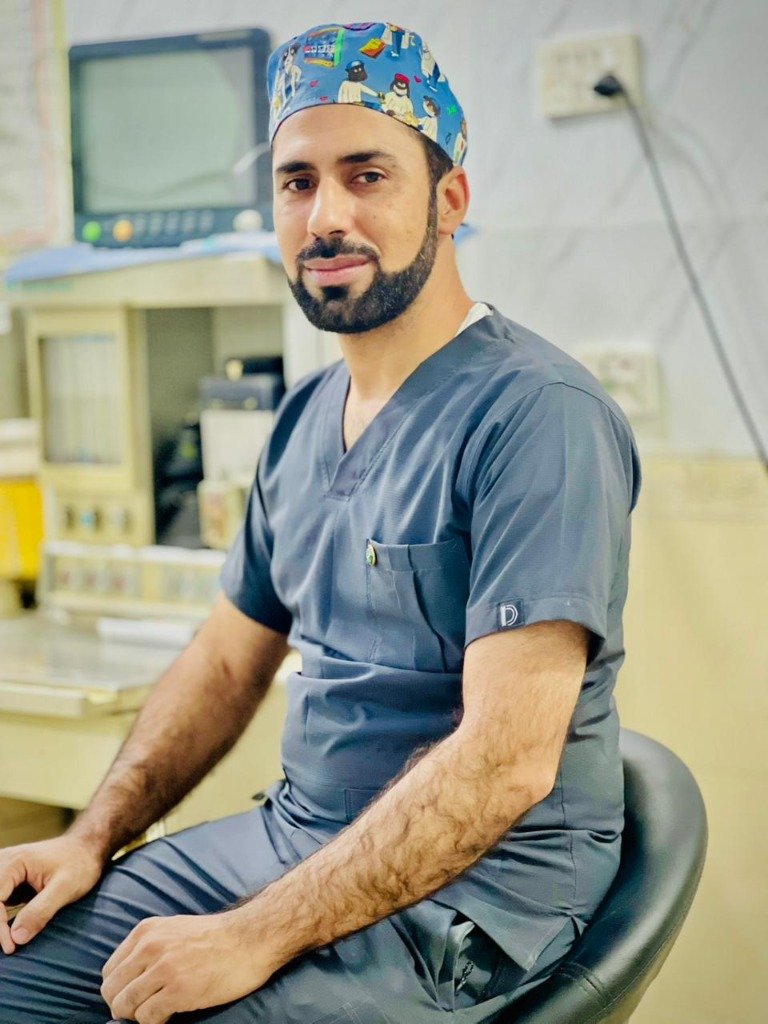
Dr. Waris Khan
MBBS, MCPS, FCPS Plastic Surgery · Plastic, Reconstructive & Aesthetic Surgeon
Dr. Waris Khan provides patient-focused consultations at Pak Medical Center and Hospital in Peshawar. Every surgical plan is developed collaboratively to ensure anatomical safety and natural outcomes.
Frequently Asked Questions About Mole Removal and Biopsy
Find answers to common patient questions about this procedure.
When should a mole be medically evaluated?
A mole should be checked if it changes in size, shape, color, bleeds, itches, or becomes asymmetric.
Is mole removal painful?
No. Local anesthesia numbs the area completely, making the quick procedure virtually painless.
Will there be a scar after mole removal?
Shave excision leaves a faint flat mark, while surgical excision leaves a fine linear scar that fades over time.
Can a mole grow back after removal?
When full-thickness excision removes the deep nevus cells, recurrence is extremely unlikely.
Are removed moles tested for cancer?
Yes. All excised tissue is sent for microscopic histopathology examination to ensure peace of mind.
Explore Related Procedures
Complementary surgical and aesthetic treatments to consider.
Skin Cancer Surgery
Specialized management if biopsy indicates dysplastic or malignant cells.
Benign Skin Tumor Removal
Treats non-pigmented cysts, lipomas, and skin tags.
Considering Mole Removal and Biopsy in Peshawar?
If you have questions about mole removal and biopsy, contact Dr. Waris Khan clinic in Peshawar.
Request a consultation to discuss your treatment goals, understand options, and plan your care.
The clinic will confirm your available appointment schedule.