Rhinoplasty (Nose Reshaping Surgery) in Peshawar
Rhinoplasty, sometimes called a nose job, is a surgical procedure that changes the shape, size, or structure of the nose. It may involve adjustments to nasal bone, cartilage, or both to address cosmetic concerns or improve breathing function.
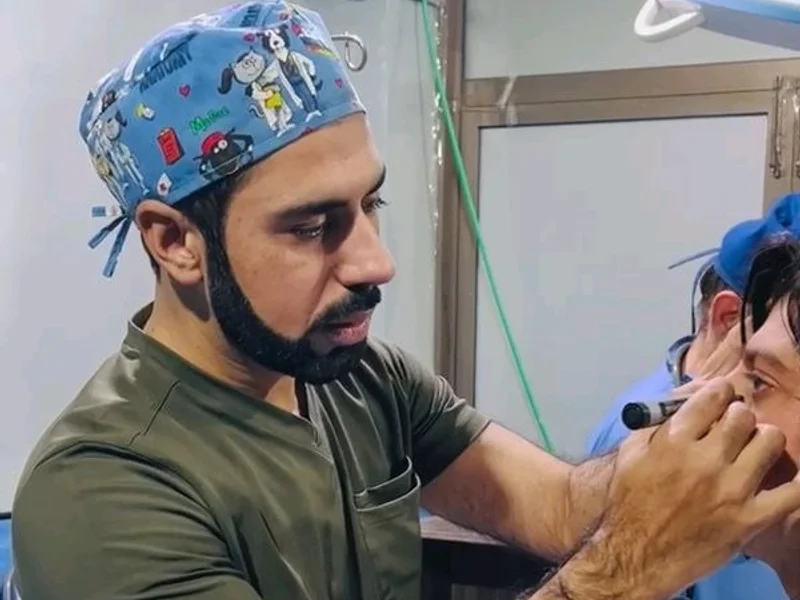
Clinical Consultation
Individual Assessment at Pak Medical Center Peshawar
Quick Clinical Overview
What Is Rhinoplasty (Nose Reshaping Surgery)?
Rhinoplasty, sometimes called a nose job, is a surgical procedure that changes the shape, size, or structure of the nose. It may involve adjustments to nasal bone, cartilage, or both to address cosmetic concerns or improve breathing function.
Patients consider rhinoplasty (nose reshaping surgery) for different reasons, ranging from natural aesthetic refinement to functional reconstruction following illness, injury, or anatomical variations.
Every treatment has distinct technical considerations, surgical nuances, risks, and recovery stages. The optimal technique depends on careful examination of tissue elasticity, anatomical framework, and personal treatment goals.
A comprehensive in-person consultation with Dr. Waris Khan at Pak Medical Center in Peshawar ensures that your medical history is evaluated and that realistic clinical outcomes are clearly established.
What Concerns Can Rhinoplasty (Nose Reshaping Surgery) Address?
Rhinoplasty (Nose Reshaping Surgery) can address a broad spectrum of structural, functional, and cosmetic concerns.
Nose Shape and Proportions
Adjusting the overall shape, width, and proportions of the nose in relation to other facial features.
Nasal Bridge Hump
Smoothing a prominent dorsal bridge or bony hump for a balanced profile line.
Nasal Tip Definition
Refining a bulbous, drooping, upturned, or overly projected nasal tip.
Nasal Asymmetry and Deviation
Straightening a crooked nose caused by trauma, sports injury, or developmental asymmetry.
Post-Traumatic Changes
Restoring nasal structure, cartilage alignment, and appearance after facial injury.
Breathing-Related Concerns
Addressing internal structural issues such as a deviated septum or collapsed nasal valve.
Techniques and Procedural Approaches
Rhinoplasty (Nose Reshaping Surgery) can involve different surgical methods based on individual patient anatomy and clinical objectives.
Open Rhinoplasty
An incision across the columella provides direct visibility for intricate cartilage sculpting and structural grafting.
Closed (Endonasal) Rhinoplasty
Incisions are placed entirely inside the nostrils, ideal for selected bridge reductions without external scars.
Septorhinoplasty
Combines cosmetic nasal reshaping with septal straightening to improve both appearance and airflow.
Revision Rhinoplasty
Specialized surgery addressing residual irregularities or scar tissue from a previous nasal operation.
Clinical Disclaimer:
These descriptions explain general surgical approaches. Dr. Waris Khan tailors every treatment plan based on confirmed in-person clinical assessment.
Who May Be a Suitable Candidate?
Suitability for rhinoplasty (nose reshaping surgery) depends on health status, anatomical framework, tissue elasticity, and realistic goals.
Candidate Evaluation Checklist
Unsure if you qualify? A 1-on-1 consultation will evaluate your options.
Check Candidacy on WhatsAppHow Is the Procedure Performed?
The surgical protocol is tailored to the agreed clinical plan and surgical goals.
Step 1: Clinical Assessment and Surgical Planning
The doctor assesses anatomical landmarks, verifies surgical goals, and reviews health parameters.
Step 2: Anesthesia Administration
The procedure is performed under an appropriate local, regional, or general anesthesia plan chosen for maximum safety and comfort.
Step 3: Surgical Intervention & Tissue Reshaping
The surgeon precisely adjusts, contours, removes, or repositions target tissues in accordance with the planned technique.
Step 4: Meticulous Layered Closure
Incisions are closed with precision plastic sutures to minimize tension, followed by protective dressings or supportive garments.
Step 5: Post-Operative Monitoring & Recovery Plan
The patient is monitored in recovery and provided with detailed medication and activity instructions.
Recovery and Healing Milestones
Healing timelines vary according to individual biology. Following post-operative guidelines ensures the smoothest path to optimal results.
Days 1 to 3: Early Rest
Rest with elevation if advised. Take prescribed medications on time and apply cold compresses if indicated.
Days 7 to 14: Returning to Light Routine
Sutures or splints are typically removed. Most patients feel ready to resume light office work and social outings.
Weeks 4 to 6: Tissue Stabilization
Bruising has completely faded. Moderate exercise and physical fitness routines can be safely resumed.
Months 3 to 12: Final Refinement
Subtle residual swelling resolves completely, allowing the final refined contour and scar maturation to settle.
Safety Considerations and Potential Risks
Every surgical procedure carries risks. Dr. Waris Khan maintains rigorous clinical safety standards to minimize complications.
What Results Can You Expect?
Rhinoplasty (Nose Reshaping Surgery) can produce substantial improvements in physical comfort, symmetry, and aesthetic proportion.
However, outcomes depend on individual anatomy, tissue response, and healing characteristics.
Realistic expectations should be established during your initial clinical consultation before deciding on surgery.
How Much Does Rhinoplasty (Nose Reshaping Surgery) Cost in Peshawar?
Treatment costs depend on procedure complexity, surgical techniques, facility requirements, and personalized patient care.
A formal clinical assessment is required before an accurate, comprehensive fee estimate can be provided.
Contact Dr. Waris Khan clinic in Peshawar to inquire about current consultation fees and appointment availability.
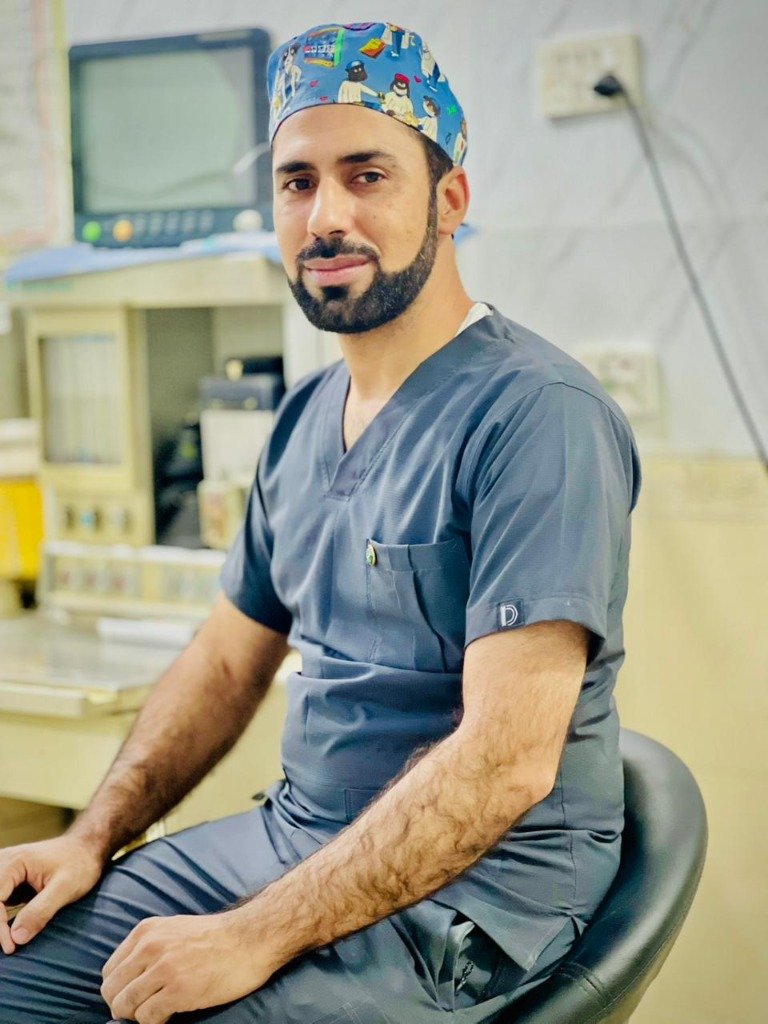
Dr. Waris Khan
MBBS, MCPS, FCPS Plastic Surgery · Plastic, Reconstructive & Aesthetic Surgeon
Dr. Waris Khan provides patient-focused consultations at Pak Medical Center and Hospital in Peshawar. Every surgical plan is developed collaboratively to ensure anatomical safety and natural outcomes.
Frequently Asked Questions About Rhinoplasty (Nose Reshaping Surgery)
Find answers to common patient questions about this procedure.
What is rhinoplasty?
Rhinoplasty is surgery that changes the shape, size or structure of the nose to improve appearance or function.
Can rhinoplasty improve breathing?
Yes. When combined with septal straightening (septoplasty), structural airflow restrictions can be corrected.
Is rhinoplasty painful?
Most patients report dull pressure or nasal congestion rather than severe pain, manageable with prescribed medication.
How long does rhinoplasty recovery take?
A nasal splint is worn for 7 days. Early swelling subsides over 2 to 4 weeks, while final refinement takes 12 months.
Will rhinoplasty leave visible scars?
In closed rhinoplasty, incisions are entirely inside. In open rhinoplasty, a tiny incision across the columella heals into an inconspicuous line.
Explore Related Procedures
Complementary surgical and aesthetic treatments to consider.
Blepharoplasty
Rejuvenates upper or lower eyelids for comprehensive facial harmony.
Chin Surgery
Strengthens the jawline to balance nasal projection on profile.
Facelift
Elevates midface and jawline tissues for balanced facial rejuvenation.
Considering Rhinoplasty (Nose Reshaping Surgery) in Peshawar?
If you have questions about rhinoplasty (nose reshaping surgery), contact Dr. Waris Khan clinic in Peshawar.
Request a consultation to discuss your treatment goals, understand options, and plan your care.
The clinic will confirm your available appointment schedule.