Blepharoplasty (Eyelid Surgery) in Peshawar
Blepharoplasty is a delicate surgical procedure that addresses excess skin, muscle laxity, and localized fat deposits around the upper and lower eyelids to improve both visual comfort and facial appearance.
Clinical Consultation
Individual Assessment at Pak Medical Center Peshawar
Quick Clinical Overview
What Is Blepharoplasty (Eyelid Surgery)?
Blepharoplasty is a delicate surgical procedure that addresses excess skin, muscle laxity, and localized fat deposits around the upper and lower eyelids to improve both visual comfort and facial appearance.
Patients consider blepharoplasty (eyelid surgery) for different reasons, ranging from natural aesthetic refinement to functional reconstruction following illness, injury, or anatomical variations.
Every treatment has distinct technical considerations, surgical nuances, risks, and recovery stages. The optimal technique depends on careful examination of tissue elasticity, anatomical framework, and personal treatment goals.
A comprehensive in-person consultation with Dr. Waris Khan at Pak Medical Center in Peshawar ensures that your medical history is evaluated and that realistic clinical outcomes are clearly established.
What Concerns Can Blepharoplasty (Eyelid Surgery) Address?
Blepharoplasty (Eyelid Surgery) can address a broad spectrum of structural, functional, and cosmetic concerns.
Drooping Upper Eyelids
Excess skin on the upper lids that creates a heavy, tired appearance or impairs the upper field of vision.
Under-Eye Bags and Puffiness
Prominent fat bulging in the lower eyelid area that creates persistent dark shadowing.
Fine Eyelid Crepiness
Loose, crinkly skin along the delicate eyelid margins that does not respond to topical creams.
Involuntary Tired Expression
Heavy eyelid tissues that project an aged or chronically fatigued appearance even when well rested.
Vision Field Obstruction
Overhanging upper eyelid skin (pseudoptosis) that rests on the eyelashes and obstructs sight.
Asymmetric Eyelid Folds
Uneven eyelid creases or skin folds between the left and right eyes.
Techniques and Procedural Approaches
Blepharoplasty (Eyelid Surgery) can involve different surgical methods based on individual patient anatomy and clinical objectives.
Upper Blepharoplasty
An incision along the natural upper eyelid crease allows removal or repositioning of redundant skin and protruding fat.
Lower Blepharoplasty
Incisions placed just beneath the lower lash line or inside the lid (transconjunctival) to adjust fat bags and tighten skin.
Combined Upper and Lower Surgery
Performing both upper and lower eyelid rejuvenation during a single coordinated surgical session.
Fat Repositioning
Preserving and shifting under-eye fat rather than removing it to avoid a hollowed, sunken appearance.
Clinical Disclaimer:
These descriptions explain general surgical approaches. Dr. Waris Khan tailors every treatment plan based on confirmed in-person clinical assessment.
Who May Be a Suitable Candidate?
Suitability for blepharoplasty (eyelid surgery) depends on health status, anatomical framework, tissue elasticity, and realistic goals.
Candidate Evaluation Checklist
Unsure if you qualify? A 1-on-1 consultation will evaluate your options.
Check Candidacy on WhatsAppHow Is the Procedure Performed?
The surgical protocol is tailored to the agreed clinical plan and surgical goals.
Step 1: Clinical Assessment and Surgical Planning
The doctor assesses anatomical landmarks, verifies surgical goals, and reviews health parameters.
Step 2: Anesthesia Administration
The procedure is performed under an appropriate local, regional, or general anesthesia plan chosen for maximum safety and comfort.
Step 3: Surgical Intervention & Tissue Reshaping
The surgeon precisely adjusts, contours, removes, or repositions target tissues in accordance with the planned technique.
Step 4: Meticulous Layered Closure
Incisions are closed with precision plastic sutures to minimize tension, followed by protective dressings or supportive garments.
Step 5: Post-Operative Monitoring & Recovery Plan
The patient is monitored in recovery and provided with detailed medication and activity instructions.
Recovery and Healing Milestones
Healing timelines vary according to individual biology. Following post-operative guidelines ensures the smoothest path to optimal results.
Days 1 to 3: Early Rest
Rest with elevation if advised. Take prescribed medications on time and apply cold compresses if indicated.
Days 7 to 14: Returning to Light Routine
Sutures or splints are typically removed. Most patients feel ready to resume light office work and social outings.
Weeks 4 to 6: Tissue Stabilization
Bruising has completely faded. Moderate exercise and physical fitness routines can be safely resumed.
Months 3 to 12: Final Refinement
Subtle residual swelling resolves completely, allowing the final refined contour and scar maturation to settle.
Safety Considerations and Potential Risks
Every surgical procedure carries risks. Dr. Waris Khan maintains rigorous clinical safety standards to minimize complications.
What Results Can You Expect?
Blepharoplasty (Eyelid Surgery) can produce substantial improvements in physical comfort, symmetry, and aesthetic proportion.
However, outcomes depend on individual anatomy, tissue response, and healing characteristics.
Realistic expectations should be established during your initial clinical consultation before deciding on surgery.
How Much Does Blepharoplasty (Eyelid Surgery) Cost in Peshawar?
Treatment costs depend on procedure complexity, surgical techniques, facility requirements, and personalized patient care.
A formal clinical assessment is required before an accurate, comprehensive fee estimate can be provided.
Contact Dr. Waris Khan clinic in Peshawar to inquire about current consultation fees and appointment availability.
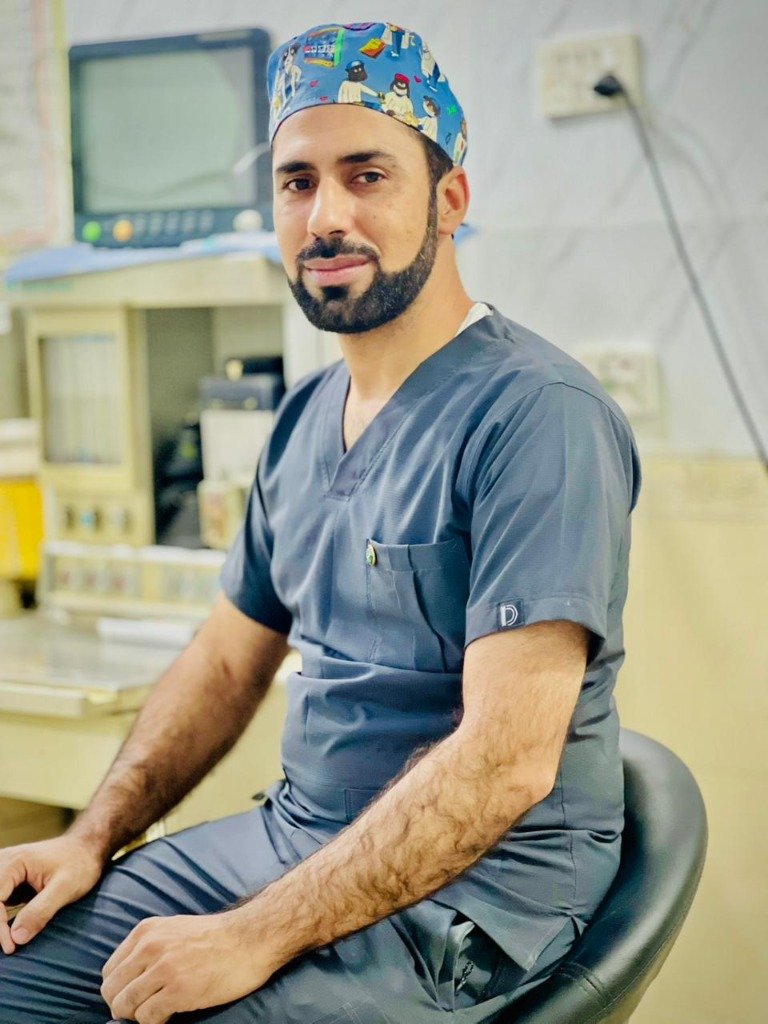
Dr. Waris Khan
MBBS, MCPS, FCPS Plastic Surgery · Plastic, Reconstructive & Aesthetic Surgeon
Dr. Waris Khan provides patient-focused consultations at Pak Medical Center and Hospital in Peshawar. Every surgical plan is developed collaboratively to ensure anatomical safety and natural outcomes.
Frequently Asked Questions About Blepharoplasty (Eyelid Surgery)
Find answers to common patient questions about this procedure.
What is blepharoplasty?
Blepharoplasty is surgery to remove or reposition extra skin and fat from the upper or lower eyelids.
Can eyelid surgery improve my vision?
When severe upper eyelid skin overhangs the lashes and obstructs the field of sight, surgery may help restore peripheral vision.
Will eyelid surgery leave noticeable scars?
Incisions are placed in the natural eyelid crease or just below the lash line, which typically heal into very discreet, well-concealed lines.
How long does blepharoplasty recovery take?
Most patients return to regular daily tasks within 7 to 10 days, though subtle swelling continues resolving over a few weeks.
Can I combine eyelid surgery with other facial procedures?
Yes. Eyelid surgery is often combined with brow lifts or facelifts following an individual clinical consultation.
Explore Related Procedures
Complementary surgical and aesthetic treatments to consider.
Brow Lift
Elevates low or drooping eyebrows that contribute to heavy upper lids.
Facelift
Addresses midface and jawline laxity for overall facial balance.
Rhinoplasty
Harmonizes central facial proportions alongside eyelid rejuvenation.
Considering Blepharoplasty (Eyelid Surgery) in Peshawar?
If you have questions about blepharoplasty (eyelid surgery), contact Dr. Waris Khan clinic in Peshawar.
Request a consultation to discuss your treatment goals, understand options, and plan your care.
The clinic will confirm your available appointment schedule.